Categories
Uncategorized

How Should Influencers Act During a Pandemic?

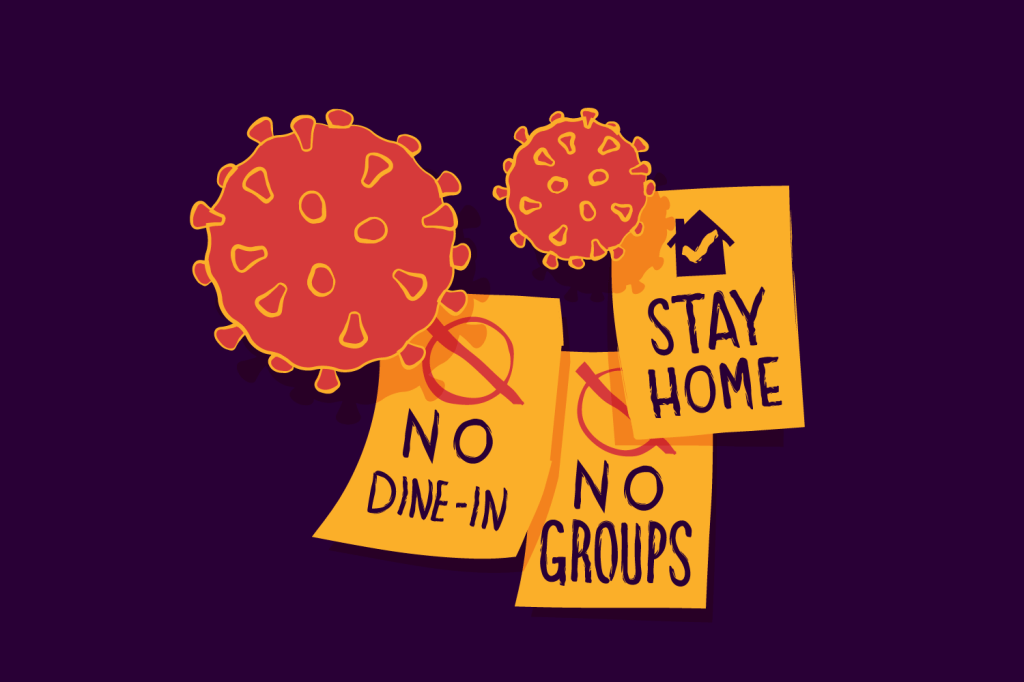
Mary Retta, from Paper Magazine, recently wrote an article about “How Should Influencers Act During a Pandemic?”. In the article Retta discusses the weird position of influencers during this unprecedented period where unemployment rates are skyrocketing across the country, and health care and service workers must put themselves in danger every day. Retta explains, “every influencer has their niche, and it might be unfair to expect lifestyle vloggers to suddenly pivot to hyper-political content just to mirror our current climate. Arguably, the more lighthearted content these creators often upload also plays a role in helping subscribers through the pandemic. While some fans are surely itching for corona content that either informs them about the pandemic or assuages their concerns, others may see the internet as an escape from reality and are hoping to view content that has nothing to do with the virus.”

The pro of influencers posting about COVID-19 is a sense of togetherness and relatability it gives their subscribers. It allows them to see how other people are handling quarantine and see that we are all going through the same thing. Posting this content is also transparent and truthful which are important aspects of being an influencer.

The con of influencers posting about COVID-19 is it doesn’t allow for “business-as-usual”. There is a lot of information being pushed out surrounding coronavirus and it can be overwhelming. It is also likely that these influencers are in-fact acknowledging the pandemic, but they simply aren’t curating content surrounding it. Also, I am not sure how much their audience is wanting to hear about COVID-19 from an influencer. They go to them for product recommendations, clothing hauls, and travel vlogs – not political or social issue information. I think it is also important that if influencers are going to address the pandemic then they also need to acknowledge their privilege of still having an income and that they are quarantined in a nice house or apartment. It can feel counterintuitive to see an influencer say “we are all in this together” when they are in a penthouse and homeless people can not find anywhere to sleep.

I don’t think there is a clear ethical solution to this problem. I think we are all adjusting and figuring out a new normal. If an influencer feels like they want to share a day in their life in quarantine, then go for it! But, if they also want to continue like normal then that is fine. I do not think influencers should be reporting facts about COVID-19 as if they are on the news or they are reporters. But, if they want to discuss how it affecting them or how they are handling quarantine then I do not see an issue.

Connection to Media Ethics: Issues and Cases Ninth Edition by Philip Patterson, Lee Wilkins and Chad Painter: In chapter 2, “Information Ethics”, objectivity is discussed in regards to how it relates to journalists. It is a know fact that journalists are primarily “male, Caucasian, well educated, and middle-to-upper class”. These journalists are often asked to cover stories that their life experiences have not prepared them to cover. This can relate to influencers and their response to COVID-19. These primarily white and middle-to-upper class influencers have never experienced something similar to a global pandemic, making their videos feel wrong to watch and support. I think that is why people are being extra critical of influencers deciding to post as normal during this time.
Categories
Uncategorized

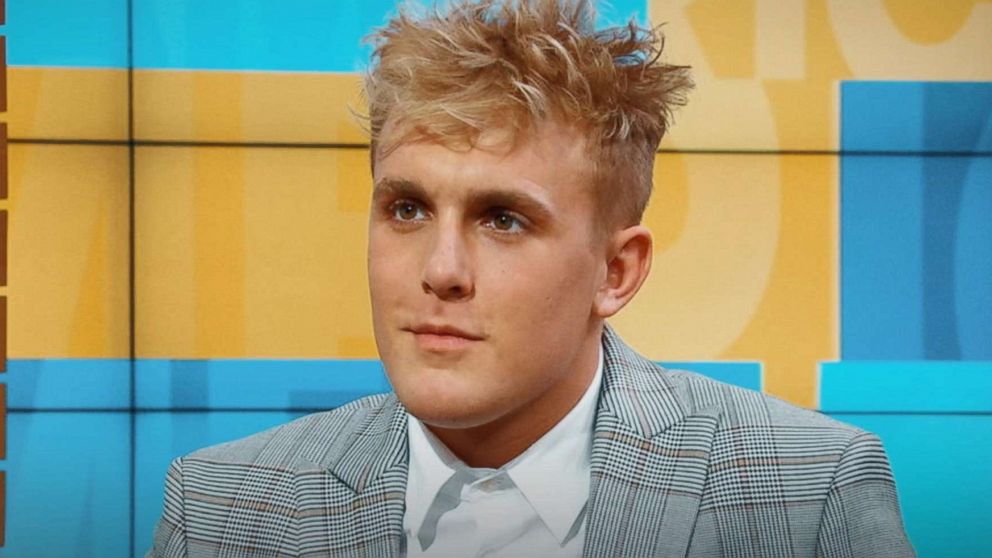
That Time Jake Paul Scammed His Underage Followers

In CNN’s article by William Worrall titled, ” Edfluence or That Time Jake Paul Scammed His Underage Followers” the influencer is described as a “controversial figure”. Worrall explains that although Jake Paul has somehow accrued more than 20 millions subscribers on YouTube and 13.1m followers on Instagram, he is widely hated by much of the community. Why is this? He has recently been exposed for exploiting children by pushing merchandise and urging the kids to “steal their mom’s credit card”. Paul also has multiple videos that show him lighting his pool on fire and putting himself, his friends and his neighbors into harms way.

Recently, Jake Paul has decided he is going to share exactly how he got 20 million subscribers on YouTube by creating Edufluence, a service that will educate the “next generation of social media influencers” for just $7. The first issue to come about with this new service was that after you paid the $7 you were then asked to pay $57 more before you log in. But, lying about the price of the service was just the beginning. Worrall explains, “If you search YouTube for ‘Edfluence’, you’ll find a lot of people’s videos. Lots of those who bought the service were really trying to make a social media career. Around a year after he started the course, the website was closed down. Meaning that if you paid your $64 to get access, you’ve essentially now paid for nothing. The website now just leads to a dead page.”

(Pro) I believe that this was meant to be a good thing. Many influencers branch off from social media and create new businesses to grow their brand and create a new wave of income. I also believe that Jake Pauls’ audience would have been super into this idea and would have purchased the service.

(Con) Unfortunately, this was just another Jake Paul scam for money. Paul is a perfect example of a social media influencer that abuses the power and trust. He takes advantage of his young audience and makes an estimated $15.5 million dollars a year doing it.

The ethical solution to this issue would be YouTube stepping. I am guessing they haven’t done so because they make quite a bit of money from Paul’s views and AdSense. I am surprised the Paul brothers have not been kicked of the platform, but it is definitely the right thing to do.

Connection to Media Ethics: Issues and Cases Ninth Edition by Philip Patterson, Lee Wilkins and Chad Painter: In chapter 7, “Media Economics” the social responsibly theory of the press is discussed. I believe this ties directly to the ethical dilemmas Jake Paul faces. Even though Jake Paul is not a member of the press perse, however, he is a part of modern mass media and I do believe his audience would still like to be satisfied by socially responsible content. Some of the content Jake Paul posts on social media is destructive and does not provide his audience with full access to a day’s intelligence, goal or values of society, nor does he paint a representative picture of groups in our society. His content is deceitful and seen as a dangerous to young audiences.

Categories
Uncategorized

Instagram Influencer Marketing Is Already A Nightmare. Political Ads Will Make It A Shit Show.

Katie Notopoulos, a BuzzFeed News Reporter, posted an article on February 14 titiled, “Instagram Influencer Marketing Is Already A Nightmare. Political Ads Will Make It A Shitshow.” In the article Notopoulos discusses that Facebook will not be regulating political by influencers the same way it would a political ads on Facebook and Instagram. This caused me to question the ethical decision in allowing influencers to basically canvas for political candidates without monitoring the amount of exposure each candidate would be receiving.

A pro of this topic could potentially be an increase in voters. Influencers have a reach on both Instagram and Facebook that politicians just do not have. So, the exposure to politics could lead a new generation to vote. Influencers are also meant to influence. So, If the government, or Facebook, controls what they can and cannot post, this would affect their livelihood. One might argue that if Facebook is going to regulate political posts from influencers, then where do we draw the line? Should Facebook then have to regulate any posts about political or presidential elections? Or only if you have a certain amount of followers?

A con of this topic would be the the naivety of new voters and the likelihood of them voting for who their favorite artist or influencer is voting for, just because. There is already an issue within this country to fact-check news sites, so what is the probability that young or new voters will do their own research on presidential candidates instead of just listening to whatever they read on social media? They could be led to a filter of biases every time they log on to Facebook or Instagram.

After the 2018 Facebook–Cambridge Analytica data scandal, I think it is important for Facebook to provide clear and easy to understand disclosures of advertisements of any kind. Notopoulos’ article does a great job of explaining how influencers can post sponsored advertisements with different variations of very subtle disclosures. She explains, “But enforcement has been pretty hands-off. Over the years, the FTC has taken action against brands and advertising agencies, but never individuals putting up posts. The closest any influencer has gotten to being punished came in 2017 when, prompted by the advocacy group Truth in Advertising, the FTC sent polite “educational letters” to remind a handful of celebrities and influencers how to properly disclose an ad. When several of those celebrities like Amber Rose and Lindsay Lohan continued to do undisclosed Instagram ads, they got second, slightly more chastising letters asking them to tell the FTC whether or not the posts were ads. No influencer, not even a Kardashian, has ever faced official action or penalty by the FTC.”

An ethical solution for this issue would be the FTC monitoring sponsored posts and ensuring all social media advertisements follow their guidelines. I believe that influencers are allowed to post whatever they want on their personal social media accounts. But, when it comes to political ads, influencers should have to properly disclose the advertisements just like any other sponsored post.

Connection to Mindf*ck: Cambridge Analytica and the Plot to Break America by Christopher Wylie: I believe this blog post’s topic relates more to Mindf*ck than our text book because of the discussion of ethical decisions when it comes to social advertisements, specifically on Facebook. I think this is such a pertinent issue due to the Facebook–Cambridge Analytica data scandal and because it is an election year.

Categories
Uncategorized

How Influencers Have Transformed Modern Marketing

Hashtag Communications, Apr 10, 2018

In Rachel David’s Ted Talk titled, “How Influencers have Transformed Modern Marketing”, David discusses her experience connecting brands with online influencers as the CEO of Hashtag Communications. She explains that she believes that influencer marketing helps”brands connect better to their customers than ever before”. Obviously, Rachel David is quite an advocate for this modern way of advertising. I wanted to share some of her reasonings that she mentioned in her Ted Talk.

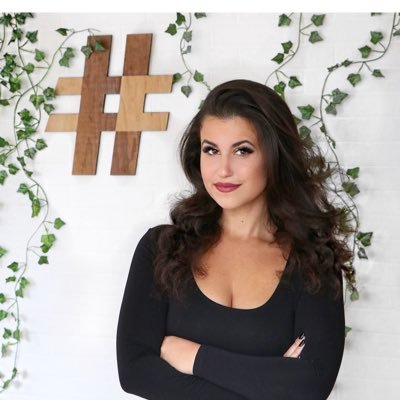
Rachel David, CEO of Hashtag Communications

Rachel compares this current societal transformation to the Industrial Revolution or the Mass Media Revolution and calls this shift the “Digital Revolution”. She explains that advertising stayed the same for about 50 years until social media and the internet came and disrupted the industry. In her Ted Talk, Rachel defines what an influencer is for us. She explains that an influencer is “someone like you and me but they choose to consistently post their life on line whether they fit into a niche or not and somehow have compiled a large following”. Rachel also discusses how big influencer marketing has become. It is currently a $4.5 billion industry and is expected to grow to a $10 billion industry by the end of 2020. Rachel believes that this new way to advertise is the perfect way to market to millennials.

You might be asking yourself if celebrity endorsements are the same thing as influencer marketing. Rachel says the difference between a celebrity and an influencer is simple – relatability.

Rachel mostly discussed all of the pros that come with influencer marketing. But, she did touch on the unpredictability that has come with a new way of advertising. Rachel serves on the Ad Standards Council and explained how rules and regulations are being placed on social media marketing everyday. Since this is a new form of advertising, advertisers are currently trying to figure out this new industry while they are in the thick of it. Rachel explains that ads are now required to have #ad in all branded content and #ad or #sponsored must be disclosed within the first 30 seconds of a Youtube video.

The con of this issue lies within the lack of transparency that come with influencer marketing. I think it is great that more rules and regulations are coming out in regards to influencer marketing. I believe this will help with the dishonest perception digital ads are perceived with. I would like to know, however, how this is being monitored. I know I have seen youtube sponsorship that are not disclosed in the first 30 seconds or some not at all. It is usually in the drop-box that the influencer discloses the sponsorship within the caption. I am still wondering if it is more of the influencer’s or the brand’s responsibility to ensure disclosure and transparency to their audience. What do you think?

The ethical solution for influencer marketing has to be the FCC upholding guidelines created to disclose advertisements on ALL social media platforms. Since native advertising has become popular, each platform has gotten creative with how advertisements are consumed by their audience. In order to keep the trust between an influencer and their followers, transparency is key.

Connection to Media Ethics: Issues and Cases Ninth Edition by Philip Patterson, Lee Wilkins and Chad Painter: In chapter 3, “Strategic Communication”, social media and other forms of instantaneous news and advertising consumption is discussed. It is believed the advancement of technology in regards to advertising is a problem of efficiency. I think Rachel David would agree with the authors when they wrote, “Being a competent and ethical professional does not require you to resolve this deeply philosophical debate. But it does require you to acknowledge that it exists and to think clearly about whether, in the process of claiming efficiency, you have overlooked important questions of values” (pg. 68). I think this quote directly relates to the ethical dilemmas facing influencers and social media marketing.

Categories
Uncategorized

7 Fundamental Ethics of Social Media Marketing

Tahir Akbar works in marketing at IQVIS, a Software Development Company that has found success in their clients through projects in web, mobile, cloud, AR/VR and machine learning domains. Akbar compiled “7 Fundamental Ethics of Social Media Marketing” in a Business 2 Community article back in 2016. I thought it would be a good idea to list them for us to discuss and analyze in future blog posts. My question is, what happens when a social media influencer does not follow these guidelines? Is it the brand or influencers ethical responsibility to ensure these standards are met?

  1. Know Your Audience
  2. Stay Away from Biases
  3. Never Compromise on Privacy
  4. Be Transparent
  5. Speak Truth
  6. Think Before you Tweet
  7. Imagine the Impact

Obviously these 7 fundamentals are meant to be used by social media influencers 24/7 and not just when a sponsorship is being promoted. Some of these that stick out to me include Know Your Audience, Stay Away from Biases, and Be Transparent. I believe that these three tips closely relate to social media advertisements. The cool thing about influencer marketing is that the product your favorite influencer is promoting is something that they actually use and genuinely enjoy. But, if the influencer promotes a product or brand they have never used before or don’t truly enjoy, that is when the influencer becomes “fake” and disingenuous. An influencer’s audience will be fast to call them out if they are not transparent about being paid to promote a product or if there is no disclosure to a partnership with a brand. These are all details that go into social media marketing that cause audiences to believe that influencer marketing is a dishonest form of advertising.

A pro to using these fundamentals would be increase in trust and reliability between the influencer and their audience. A con to using these fundamentals could be hardship on the influencer. Some creators are drawn to YouTube to create an altered life than their real one. So, to ask them to be 100% truthful or to consider the impact of their skits can be challenging for them. They might believe transparency isn’t necessary for their end goal of making money or escaping reality. An Ethical solution to this dilemma would be a clear understanding of the purpose of each platform. Maybe “speaking your truth” is not the same for Facebook as it is for Instagram. Instagram might be a social media platform used to create aesthetic and show only the highlights of your life. Where as Facebook might be how you connect with family members and friends. Causing your posts one each platform are very different. Maybe even your persona is different on each platform. So, it might be helpful to understand each platform and its purpose before you decide how to use these fundamentals.

I want my next blog to be about social media influencers and celebrities promoting political candidates in light of the 2020 U.S. Presidential Election. I think it will be interested to discuss these 7 fundamentals in relations to politics, specifically when it comes to biases and impact.

Connection to Media Ethics: Issues and Cases Ninth Edition
by Philip Patterson, Lee Wilkins and Chad Painter:
In chapter 10, “The Ethical Dimensions of Art and Entertainment”, the question – Just how much truth should the audience expect from entertainment? – is asked and discussed. I think this applies to the deceiving perception of influencers. Some believe that an entertainer is not required to be truthful at all and others believe full disclosure is necessary. The book says, “The audience doesn’t care when the lines of truth and entertainment are blurred”.

Categories
Uncategorized

The Current State of Advertising

In this article, Media Insider discusses the current state of advertising by describing advertisers as “sneaky”. Due to the increasing rejection of ads, advertisers have gotten very creative by using native ads and influencer marketing to sell a product without outright selling a product. This creates an ethical dilemma. How “sneaky” should advertisers be allowed to be? Is it ethical to sell a product to an audience that doesn’t know they are being targeted? Throughout this semester, I am going to be digging into these questions and see if we can come to an understanding of native advertisements and influencer marketing.

In the Media Insider article, two year-old identical twins, Taytum and Oakley Fisher who have 2.4 million followers on Instagram are up for debate. These twins are paid up to five figures for a single branded photo. Of course the brains behind the two year-old’s Instagram is in fact not them but, their parents. Is it ethical for these parents to use their children to gain a buck? Well no matter what you think, this is becoming more and more common. Kids, adorable kids, are a huge market for influencer marketing and are making anywhere from $5 billion to $10 billion.

If you are still wondering what the problem is in this scenario, let me explain. Influencer marking causes an issue of transparency for the fact that there is none. Traditional advertising is very black and white! There is a fundamental exchange for consumer attention and in return there are dollars. There have been defined rules and measurements of effectiveness for years. The whole point of influencer marketing is to present advertisements as something other than advertisings. Influencers are meant to appear as genuine fans and users of the products they are selling and they push these products on their social media feeds.

But, there is definitely an upside to the current state of advertisement. Native advertising has proved to be incredibly successful and this new wave of influencer marketing is way more interesting and exciting then regular TV commercials. It perfectly matches the younger generation and how they communicate.

The ethical solution to the current state of advertisement is to counteract the perceived notion of influencer marketing being “sneaky” and ensuring transparency on all sponsored advertisements. I think disclosure of partnerships and sponsorships can seem like a negative thing. But, the way influencers captivate their audience by allowing them to see inside their everyday life can cause the disclosure to be very positive. They trust influencers and take their recommendations to heart, so to put the name of a influencer and a brand together, loudly and proud, can be very impactful for the brand.

Connection to Media Ethics: Issues and Cases Ninth Edition by Philip Patterson, Lee Wilkins, Chad Painter: I think it is interesting to look back at chapter 1, “An Introduction to Ethical Decision-Making” and compare/contrast how ethics were used by philosophers and how ethics are seen by influencers today.

Categories
Uncategorized

Introduce Yourself

Should Influencer Marketing Require a Disclaimer?

True influence is about leveraging authenticity.

— Veloce.

Hi there! My name is Brianna Frisbie and I am an advertising & public relations student at the University of Nebraska-Lincoln. This semester, I am taking a course titled “Media, Ethics & Society”.

In this class we will be exploring the interrelationships between the American mass media and society, integrating ethics, theories and contemporary issues. Throughout the semester I will be searching for an answer to the question, ” Should Influencer Marking Require a Disclaimer?” I want to learn the ins and outs of influencer marking and all the ethical questioning that comes along with this new era of advertising.

Follow along with this blog as I find news articles and stories that pertain to this topic. Maybe by the end of the semester we will be able to know if there is a black and white answer to this ethical debate happening in society today.

Design a site like this with WordPress.com
Get started