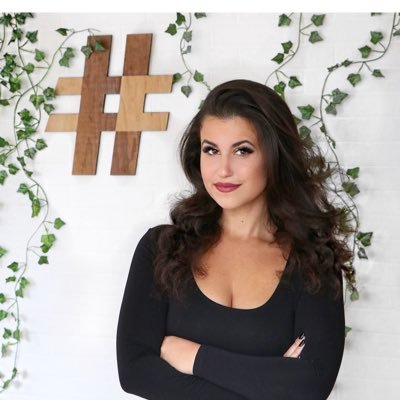
In Rachel David’s Ted Talk titled, “How Influencers have Transformed Modern Marketing”, David discusses her experience connecting brands with online influencers as the CEO of Hashtag Communications. She explains that she believes that influencer marketing helps”brands connect better to their customers than ever before”. Obviously, Rachel David is quite an advocate for this modern way of advertising. I wanted to share some of her reasonings that she mentioned in her Ted Talk.
Rachel compares this current societal transformation to the Industrial Revolution or the Mass Media Revolution and calls this shift the “Digital Revolution”. She explains that advertising stayed the same for about 50 years until social media and the internet came and disrupted the industry. In her Ted Talk, Rachel defines what an influencer is for us. She explains that an influencer is “someone like you and me but they choose to consistently post their life on line whether they fit into a niche or not and somehow have compiled a large following”. Rachel also discusses how big influencer marketing has become. It is currently a $4.5 billion industry and is expected to grow to a $10 billion industry by the end of 2020. Rachel believes that this new way to advertise is the perfect way to market to millennials.
You might be asking yourself if celebrity endorsements are the same thing as influencer marketing. Rachel says the difference between a celebrity and an influencer is simple – relatability.
Rachel mostly discussed all of the pros that come with influencer marketing. But, she did touch on the unpredictability that has come with a new way of advertising. Rachel serves on the Ad Standards Council and explained how rules and regulations are being placed on social media marketing everyday. Since this is a new form of advertising, advertisers are currently trying to figure out this new industry while they are in the thick of it. Rachel explains that ads are now required to have #ad in all branded content and #ad or #sponsored must be disclosed within the first 30 seconds of a Youtube video.
The con of this issue lies within the lack of transparency that come with influencer marketing. I think it is great that more rules and regulations are coming out in regards to influencer marketing. I believe this will help with the dishonest perception digital ads are perceived with. I would like to know, however, how this is being monitored. I know I have seen youtube sponsorship that are not disclosed in the first 30 seconds or some not at all. It is usually in the drop-box that the influencer discloses the sponsorship within the caption. I am still wondering if it is more of the influencer’s or the brand’s responsibility to ensure disclosure and transparency to their audience. What do you think?
The ethical solution for influencer marketing has to be the FCC upholding guidelines created to disclose advertisements on ALL social media platforms. Since native advertising has become popular, each platform has gotten creative with how advertisements are consumed by their audience. In order to keep the trust between an influencer and their followers, transparency is key.
Connection to Media Ethics: Issues and Cases Ninth Edition by Philip Patterson, Lee Wilkins and Chad Painter: In chapter 3, “Strategic Communication”, social media and other forms of instantaneous news and advertising consumption is discussed. It is believed the advancement of technology in regards to advertising is a problem of efficiency. I think Rachel David would agree with the authors when they wrote, “Being a competent and ethical professional does not require you to resolve this deeply philosophical debate. But it does require you to acknowledge that it exists and to think clearly about whether, in the process of claiming efficiency, you have overlooked important questions of values” (pg. 68). I think this quote directly relates to the ethical dilemmas facing influencers and social media marketing.
 Media, Ethics and Society Blog